

Every investigation these days generates huge amounts of digital data. Like, surveillance systems and CCTV networks, body cameras, even all kinds of multimedia devices keep producing evidence that investigators have to look at, and preserve properly, not just “play it back”. Managing all that information is, somehow, more than basic media playback tools, and it never really stays simple.
Daetech Systems builds forensic environments specifically for law enforcement agencies, military organizations, intelligence services, and forensic laboratories. Their offerings are made to help with retrieval, processing, management, and review of multimedia evidence, using advanced investigation software that’s built for professional investigative work.
Why modern investigations really need specialized systems
Investigators often end up working with evidence collected from multiple recording systems and formats. That means analogue CCTV footage, DVR exports surveillance recordings, and digital media files, all may need attention inside the same case. Without organized forensic systems, handling this evidence gets inefficient fast, and it becomes hard to track. Daetech Systems answers that by developing centralized investigative environments, designed for modern digital forensics workflows.
These environments help agencies increase operational efficiency while still keeping reliable evidence handling procedures throughout investigations, end to end.
Secure Retrieval of surveillance and multimedia evidence
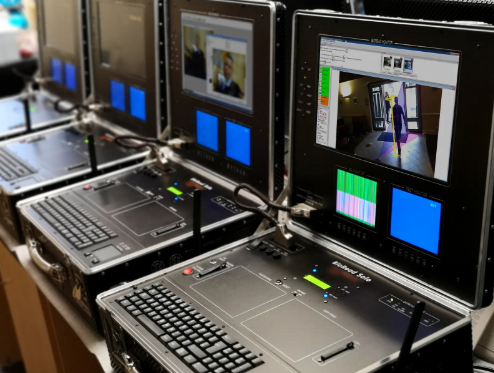
For many investigations the first stage is collecting surveillance recordings directly from the recording systems. Evidence retrieval has to preserve evidential integrity, while also supporting quick operational response during active investigations.Daetech’s MIDAS solutions are made for on-scene retrieval from analogue CCTV systems, digital surveillance platforms, and multimedia devices. They help investigators securely collect evidence, while supporting structured forensic workflows. The ability to pull multimedia recordings efficiently keeps investigations moving, and it improves overall evidence management practices.
Centralized processing through DARS systems
After retrieval, investigators still need dependable systems for playback, processing, review, and forensic examination. Daetech’s DARS forensic processing engines are designed specifically for CCTV and Digital Multimedia Evidence operations.So investigators get centralized environments where they can review recordings, process multimedia files, and organize evidence inside structured investigative workflows.
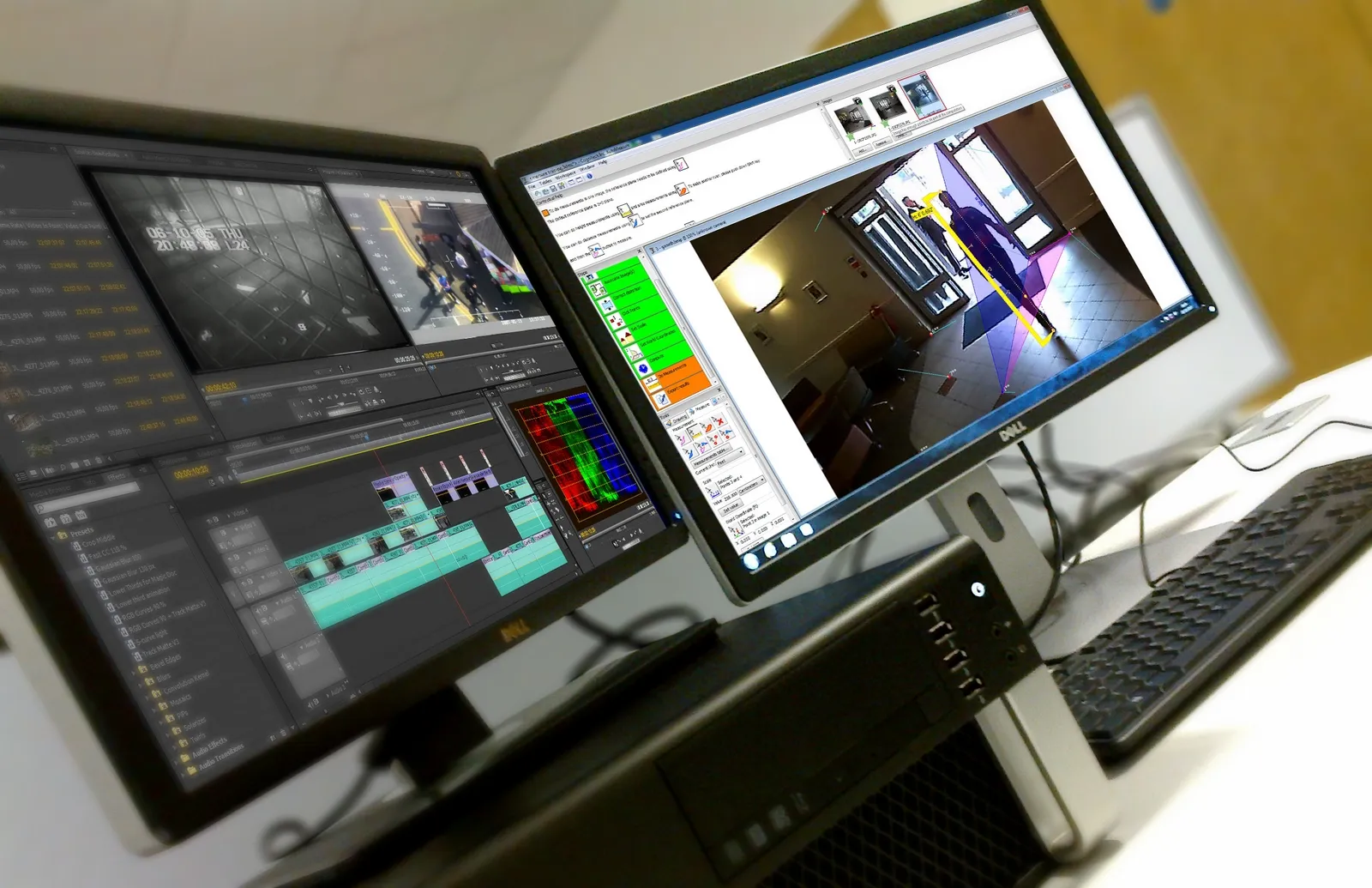
There’s also the integration of Cognitech applications into DARS platforms, which improves Forensic Analysis work, by letting teams work with both analogue and digital recordings, all within professional forensic environments.
Advanced analytical capabilities through Cognitech integration
Daetech Systems works with Cognitech Inc to integrate advanced forensic technologies into investigative environments. Those applications include VideoActive®, Video Investigator®, AutoMeasure®, and FiA64 authentication software.
These tools support:
- Video enhancement
- Image authentication
- Calibration workflows
- Perspective correction
- Photogrammetry analysis
- Multimedia evidence examination
When those capabilities are combined in centralized systems, investigators can run more detailed digital forensics procedures, using scientifically grounded methodologies, aimed at professional agencies.
Maintaining evidence integrity during investigations
Evidence integrity is still one of the most critical requirements in forensic investigations. Multimedia recordings and digital files have to be processed with reliable workflows that preserve the original evidence, and keep proper documentation standards.
Daetech’s Evidence Management Suite (EMS) supports structured workflows with integrated operating procedures, and visual verification processes. Evidence can also be hash verified, to strengthen reliability during investigative review. Overall, these procedures support investigation software workflows, helping agencies maintain consistent evidence handling standards through forensic operations, without unnecessary confusion.
Supporting Large-Scale Investigative Operations
Modern investigative teams often end up handling large piles of surveillance footage and multimedia recordings, across several active cases at once. To keep things moving, they need efficient systems that organize evidence without dragging down day to day investigative tempo Daetech Systems builds centralized forensic environments that support evidence cataloging, more structured review workflows , viewing logs, and integrated processing capabilities. In practice these systems help agencies manage huge evidence collections with fewer delays while still keeping dependable investigative procedures in place. Processing evidence inside one unified forensic environment also helps operational coordination, especially during complex investigations where timing matters and handoffs can get messy
Built Specifically for Professional Agencies
Daetech Systems develops forensic technologies that are meant for law enforcement organizations, military institutions, homeland security operations, intelligence services, and forensic laboratories. Since these solutions are designed around the real operational needs of investigations, they perform in demanding environments where analytical reliability and evidential integrity must stay tight.
That specialized emphasis enables Daetech to deliver advanced forensic analysis environments that fit directly into professional investigative work, not the usual commercial consumer style use
Strengthening Modern Digital Investigations
As surveillance systems, and multimedia technologies keep evolving, agencies still need forensic environments that can handle bigger volumes of evidence, quickly and consistently. By bringing together advanced forensic applications, centralized evidence workflows, and dedicated investigative environments, Daetech Systems helps agencies strengthen modern digital forensics and improve how critical investigative evidence is managed end to end.
